A comprehensive guide to occasion dressing, event attire, office dress codes, and special occasion outfits for women across cultures, careers, and countries.
Introduction: Why Getting Dressed for the Right Occasion Still Matters
Fashion is, at its core, a form of communication. Before a word is spoken at a job interview, a wedding, a first date, or a graduation ceremony, the clothes a woman is wearing have already said something on her behalf. They signal preparation, cultural awareness, personal confidence, and respect for the occasion — or the absence of any of these things.
Yet for millions of women, the question of what to wear to a specific event remains genuinely difficult to answer. The challenge is not a lack of clothes — most women have wardrobes they rarely fully use — but a lack of clear, useful guidance on how to match clothing to context. Dress codes are increasingly vague. “Smart casual” means something different in London than it does in Lagos or Los Angeles. “Business casual” in a law firm is a different proposition than “business casual” in a tech startup. And “formal” at a summer garden wedding is not the same as “formal” at a black-tie winter gala.
This guide exists to remove that uncertainty. It covers what women should wear across a comprehensive range of events, occasions, dress codes, countries, and professional environments — drawing on practical styling principles that work regardless of body type, budget, or personal aesthetic. Wherever you are attending or what you are dressing for, the answer is here.
Part One: Understanding Dress Codes — A Global Perspective
What dress codes actually mean — and why they vary by country
The first thing to understand about dress codes is that they are cultural artifacts as much as fashion guidelines. What reads as appropriately formal in one country can read as overdressed or underdressed in another. A few foundational principles help navigate this:
Formality scales differently across cultures. In France and Italy, even casual dressing leans toward refinement — a well-cut dress and minimal accessories is the cultural baseline. In the United States, “smart casual” often allows considerably more relaxed interpretation. In Japan, modesty and understatement signal respect; in Brazil, color and expression are welcomed even in formal settings.
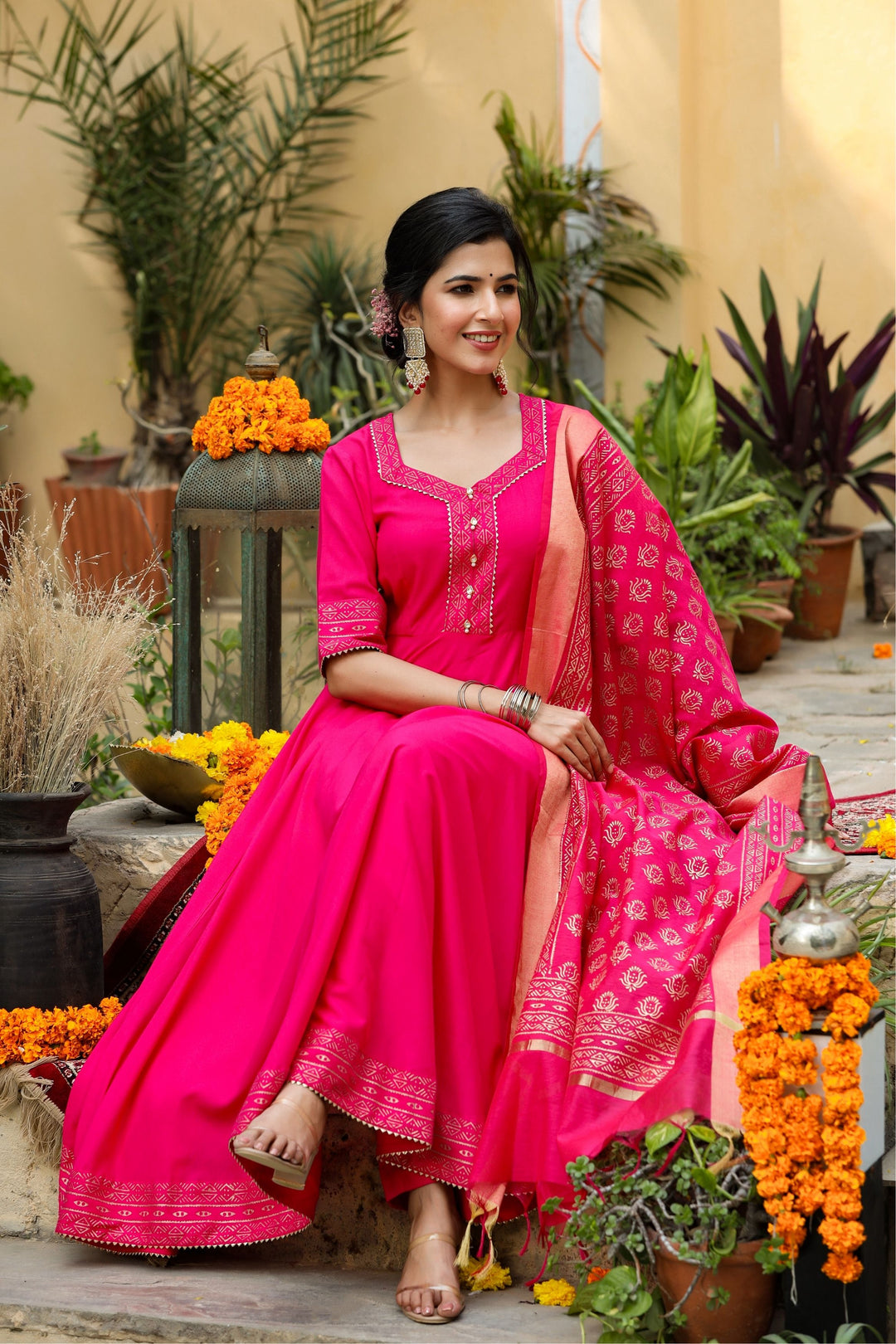
Religious and cultural contexts add additional layers. In many Middle Eastern countries, modest dress — covered arms, longer hemlines, minimal décolletage — is not only expected but legally required in certain public settings. In South Asia, a well-chosen salwar kameez or saree is the equivalent of a cocktail dress. In West Africa, traditional fabric and pattern is formal occasion dressing of the highest order.
The venue communicates as much as the invitation. A “cocktail attire” wedding at a beachside resort in Bali calls for something different than a “cocktail attire” wedding at a Paris hotel. Read the venue alongside the dress code, and the right choice becomes much clearer.
The universal dress code spectrum
While cultural variations exist, most formal dress code terminology follows a recognizable spectrum:
White Tie — the most formal dress code globally. Floor-length gowns, elegant updo or styled hair, fine jewelry, and formal evening bag. Rare outside of state dinners, royal events, and the most prestigious galas.
Black Tie — floor-length gown or sophisticated cocktail dress. Elegant fabrics: satin, silk, lace, chiffon. Formal accessories. This is the dress code for opera, high-end charity events, and formal wedding receptions.
Black Tie Optional / Formal — similar to black tie but with slightly more flexibility. A well-chosen cocktail dress or elegant midi dress works alongside floor-length options.
Cocktail / Semi-Formal — the most commonly misunderstood dress code. The target is knee-to-midi length in elegant fabrics, polished accessories, and an elevated finish. Not a party dress; not a work outfit. The space between.
Smart Casual — polished but not stiff. A well-fitting midi dress, tailored trousers with a silk blouse, or a structured jumpsuit. The key word is “smart” — this is not casual dressing with good shoes.
Business Casual — varies enormously by industry and country, but generally: structured pieces, no denim, appropriate hemlines, professional fabrics. More below.
Casual — relaxed and personal, but thoughtful. Even at casual occasions, the most universally appropriate women’s outfit is a well-fitting dress in a quality fabric — one that requires no coordination effort and communicates that you dressed with intention.
Part Two: What Should Women Wear for a Special Occasion?
This is one of the most-searched questions in women’s fashion — and the answer depends on which special occasion you are preparing for. Here is a comprehensive breakdown.
Wedding Guest Attire
Weddings are the special occasion that generates the most outfit anxiety for women — and for good reason. The stakes are high: you want to honour the couple, respect the formality, and look genuinely beautiful without upstaging the bridal party.
The universal rules for wedding guest attire:
- Avoid white, ivory, and cream in any shade close to a bridal gown — unless specifically instructed otherwise
- Match the hemline to the formality: black-tie calls for floor-length; cocktail and semi-formal calls for midi or knee; garden and casual calls for midi or sundress
- Dress for the venue as well as the dress code — outdoor summer weddings call for lighter fabrics and colors; indoor evening receptions allow deeper tones and more structured pieces
- When in doubt, a well-chosen midi dress in a quality fabric is the most reliably appropriate choice across almost every wedding dress code
What to actually wear:
- For formal and black-tie weddings: a floor-length gown in lace, satin, or chiffon; or a structured midi dress in an elegant fabric with formal accessories
- For semi-formal and cocktail weddings: a fitted or flared midi dress, an elegant midi with interesting detail, or a sophisticated maxi in a non-bridal color
- For casual and garden weddings: a floral midi, a relaxed maxi in a warm-weather fabric, or a printed sundress with elevated accessories
For a deeper dive into appropriate choices at different formality levels, the complete resource on occasion and event outfit guides for women at BTK Collections covers wedding guest attire in detail across multiple settings and dress codes — including specific styling advice for formal, semi-formal, and casual celebrations.
Graduation Ceremonies
Graduation is a milestone that sits at the intersection of formal occasion and personal celebration — and the outfit should reflect both. The challenge is that graduation robes cover much of the outfit, meaning the focus is on what appears at the neckline, the legs below the robe’s hem, and the shoes.
What works:
- A structured midi dress in a bold or sophisticated color — navy, emerald, burgundy, or dusty rose — that reads as celebratory without being overly casual
- A knee-length or midi dress that provides appropriate coverage under the robe while looking polished for photographs before and after the ceremony
- Comfortable heels or smart flat shoes that can be worn for several hours, including walking across a stage
What to avoid:
- Very short dresses that become awkward under the robe
- Overly casual fabrics like jersey or cotton in relaxed cuts
- Extremely high heels that make walking difficult in a formal setting
Christmas and Holiday Parties
Office Christmas parties, family holiday gatherings, and festive seasonal events all call for dressing that is celebratory, seasonally appropriate, and occasion-matched. The spectrum here is wide — from a casual family lunch to a formal corporate gala — so the first step is always to identify the specific event’s formality level before choosing the outfit.
For formal holiday events: Velvet, satin, lace, or sequin dresses in jewel tones — emerald, burgundy, sapphire, gold — or classic black. Floor-length or sophisticated midi lengths. Fine jewelry and an elegant evening bag.
For smart-casual holiday parties: A printed or embellished midi dress in a festive but not overtly “Christmas” pattern. Rich colors, interesting textures, and a polished finish. Statement jewelry and heeled boots or sandals.
For casual family gatherings: A cozy knit midi, a printed wrap dress, or a smart casual dress in a warm seasonal fabric. Comfortable footwear and relaxed accessories.
New Year’s Eve
New Year’s Eve is fashion’s most expressive night — the one occasion where sequins, metallic fabrics, and deliberately dramatic choices are not only acceptable but expected. The dressing rule for New Year’s Eve is simple: wear the most celebration-ready version of yourself.
Sequin mini or midi dresses, metallic maxi gowns, dramatic satin slip dresses, or bold-print evening pieces all work. Add statement jewelry, a sleek updo or blowout, and footwear that will last until midnight and beyond.
Thanksgiving
Thanksgiving occupies a distinctive dressing space — it is simultaneously a family gathering, a significant meal, and for many, an opportunity to dress with intention in a comfortable way. The American tradition of Thanksgiving calls for smart casual to semi-formal dressing depending on the household.
A midi wrap dress, a comfortable knit midi, or a printed dress in autumn tones — rust, terracotta, warm burgundy, olive green — strikes the right note. Comfort matters at Thanksgiving: choose fabrics and silhouettes that allow for extended sitting at a table without discomfort.
Part Three: What Should Women Wear to an Event?
The broader category of “events” covers everything from professional conferences to cocktail receptions, gallery openings to sporting occasions. Here is how to approach the most common ones.
Cocktail Parties and Evening Events
The cocktail party is the classic smart occasion for women — a setting where a well-chosen dress is the natural and almost universal choice. A knee-length to midi dress in a polished fabric — satin, crepe, lace, jacquard, or chiffon — with appropriate accessories covers the vast majority of cocktail occasions.
Color is a powerful tool at cocktail events. Classic black reads as sophisticated and always appropriate. Jewel tones signal confidence and seasonal awareness. Pastel and soft tones suit spring and summer cocktail events. Metallics work for evening occasions where maximum impact is appropriate.
Gallery Openings and Cultural Events
Art galleries, museum events, film premieres, and cultural openings occupy a specific sartorial space: they reward creative, considered dressing while maintaining a level of polish appropriate for a public occasion. These are events where a printed midi dress, an interesting silhouette, or a dress with distinctive detail — embroidery, texture, unusual construction — is not only appropriate but welcomed.
Formal Dinners and Award Ceremonies
A formal dinner or award ceremony typically calls for semi-formal to formal dressing: a sophisticated midi or floor-length dress in an elegant fabric, polished accessories, and considered grooming. The key distinction from cocktail dressing is that formal dinners benefit from slightly longer hemlines and a slightly more conservative approach to neckline and silhouette.
Outdoor Events: Garden Parties, Race Days, Outdoor Weddings
Outdoor occasions call for practical elegance — beautiful enough for the occasion, comfortable enough for the conditions. A midi dress in a printed chiffon or lightweight crepe, with block heels or wedges that work on grass, and a wrap or light blazer for variable temperatures is the outdoor occasion formula that works across almost every setting.
Race days — Royal Ascot, Kentucky Derby, and similar events — have their own specific cultural dressing traditions that lean heavily toward statement hats, fascinators, and printed or colorful midi and maxi dresses.
Part Four: Professional Dress Codes — What Women Should Wear at Work
The professional wardrobe is the one that women spend the most hours in — and the one where the stakes of getting it right are highest. Here is a country-by-country and industry-by-industry breakdown.
Business Formal — The Traditional Professional Setting
Business formal has historically been the dress code of law, finance, government, and senior corporate roles. For women, it translates to:
- Structured midi or knee-length dresses in neutral or jewel tones
- Tailored blazers or structured jackets as additional layers
- Court shoes or block-heeled shoes in conservative colors
- Minimal, appropriate jewelry
- Structured bags with professional finish
In this dress code, fabric matters enormously: crepe, wool, ponte, and structured cotton all signal professional intention. Avoid anything too draped, too sheer, too patterned, or too casual in fabric.
Country variations: British business formal tends toward more structured tailoring and conservative color palettes. French business formal leans toward impeccable fit and quality of fabric over strict formality of style. American business formal is the most structurally conservative of the three. German and Scandinavian professional dressing emphasizes functionality and quality with minimal ornamentation.
Business Casual — The Modern Workplace
Business casual has become the dominant dress code in most professional environments globally, and it covers an enormous range of interpretations. The reliable framework for women:
- A well-fitting midi dress in a structured fabric is the single most versatile business casual choice — it reads as polished, feminine, and professional simultaneously
- Structured trousers or tailored skirts with a quality blouse or top
- No denim (unless specified as acceptable), no very casual fabrics, no overly short hemlines
- Appropriate coverage — not required to be conservative, but professional in proportion
Industry variations: Law and finance even within “business casual” contexts tend toward the more conservative end. Tech and creative industries interpret business casual broadly — tailored but expressive, quality but not formal. Healthcare, education, and public sector contexts vary significantly by institution and country.
Work-to-Dinner — The Modern Professional Challenge
One of the most practically relevant dressing challenges for professional women is the work-to-dinner transition: going directly from a professional setting to a social or networking dinner without going home to change. The solution is choosing a work outfit that already contains the elements needed for evening dressing, then adjusting with accessories rather than clothes.
A structured midi dress is the ideal work-to-dinner garment: it is appropriate for professional settings during the day, and with a change of shoes, different jewelry, and a swap from a structured tote to a smaller evening bag, it transitions seamlessly to an elegant dinner without any element feeling out of place in either context.
Dress Codes by Country: A Practical Reference
United Kingdom: Conservative in formal settings; relatively relaxed in business casual. Smart casual is genuinely smart — not simply clean and presentable. Layering is practical and culturally normal given the climate.
France: Effortless elegance is the cultural aspiration. Fit and fabric quality matter more than trend. Minimal but considered accessories. Overdressing is as notable as underdressing.
United States: Wide regional and industry variation. New York and Los Angeles have distinct professional aesthetics from Chicago or Atlanta. Generally more casual than European equivalents, but formal occasions are genuinely formal.
Japan: Modesty, precision, and understatement signal respect. Conservative hemlines, minimal decoration, and impeccable grooming are more important than expressiveness.
India: Context-dependent to a significant degree. Urban professional settings in Mumbai and Bangalore accept Western professional attire, but traditional dress remains appropriate and respected in many corporate and formal settings.
United Arab Emirates and Gulf Region: Covered arms, longer hemlines, and modest necklines are required in many public and professional settings. Formal occasions within private venues allow more elaborate Western formal dressing.
Nigeria and West Africa: Traditional fabric — Aso-ebi, Ankara — is formal occasion dressing of cultural significance. Western formal is also widely worn and respected in corporate settings.
Brazil: Color, expression, and well-fitted silhouettes are welcomed even in professional settings. Smart casual leans more expressive than in European equivalents.
Part Five: Travel Outfits — Dressing for the Journey and the Destination
Travel dressing solves a specific problem: how to look good, feel comfortable, and pack efficiently across multiple occasions and contexts — potentially including long-haul flights, business meetings on arrival, tourist activities, and evening dinners, sometimes within the same trip.
Long-Haul and Significant Travel
The best travel outfit is the one that arrives looking as composed as it departed, requires no ironing at the destination, and can be adapted for the immediate occasion after landing. A structured jersey midi dress, a ponte knit dress, or a crepe midi in a dark or neutral color checks all of these boxes: these fabrics resist creasing, the midi length is practical for varying temperatures and modest enough for most international arrival contexts, and a single piece requires no coordination effort.
Pack the accessories that will adapt it — a blazer for business arrivals, a silk scarf for warmth on the plane, statement jewelry that elevates it for evening.
Destination Dressing: Adapting to Location and Culture
Travel also requires dressing for specific contexts that differ from home. A few principles:
- Research the cultural and climate expectations of your destination before packing
- In conservative cultures, having at least two or three modest options with covered arms and longer hemlines is essential
- In hot weather destinations, lightweight fabrics that maintain their shape are more practical than linen or cotton, which can crease immediately
- Printed and colorful dresses often work better in holiday destinations than they do at home — embrace the setting
Part Six: First Dates and Dinner Nights Out — The Social Occasion Wardrobe
First Date Outfits for Women
The first date is a dressing occasion that carries genuine emotional weight — and the outfit plays a real psychological role. The ideal first date outfit makes the wearer feel confident and authentic, communicates effort without looking like effort, and is appropriate for the specific venue and activity.
A well-chosen midi dress in a flattering silhouette and interesting color or detail is the most universally reliable first date outfit choice for women. It requires no coordination, always looks considered, and moves and photographs beautifully across a wide range of settings from casual drinks to elegant dinner.
The key principle: wear something you feel genuinely good in, not something you feel you should wear. Confidence is more attractive than any specific garment.
Dinner Nights Out
Dinner dressing spans from casual neighbourhood restaurants to Michelin-starred formal occasions. The general principle:
- Match the formality of the restaurant — a one-line internet search will tell you the dress code expectation at any specific venue
- A midi dress with appropriate accessories is the most versatile choice across the spectrum, from smart casual to formal dining
- Evening accessories — heeled sandals, a small elegant bag, statement jewelry — do the work of transitioning a dress from day-appropriate to evening-appropriate
Part Seven: Building a Complete Occasion Wardrobe — Practical Principles
The capsule approach to occasion dressing
Rather than buying a new outfit for every occasion — an approach that is expensive, impractical, and ultimately unsatisfying — the most effective approach to occasion dressing is building a small capsule of genuinely versatile pieces:
One formal or semi-formal gown or midi. For black-tie events, formal weddings, and gala occasions. Floor-length in lace, satin, or chiffon in a classic or jewel tone. This piece should earn repeat wear across multiple formal occasions.
Two or three cocktail or semi-formal midi dresses. The workhorses of the occasion wardrobe. In different colors and fabrics for different seasons. A black midi, a printed or floral midi for warmer settings, and one in a bold or jewel tone for the occasions that benefit from color.
One smart casual daytime dress. For garden parties, graduation ceremonies, summer celebrations, and the daytime occasions that don’t require full formality but reward elevated dressing. A printed wrap, a floral midi, or a structured day dress.
One reliable work dress. Structured, versatile, appropriate across professional settings. The dress you wear to the interview, the important meeting, and the work event.
One evening clutch or small bag. The accessory that transforms any dress from daytime to evening. In black satin, metallic, or a bold color.
The role of quality in occasion dressing
The most important principle in occasion dressing is quality over quantity. A well-made dress in quality fabric — whether a designer piece from a label like Edward Achour, Weill, or Nissa, or a carefully chosen piece from a contemporary brand — will always look more appropriate, more beautiful, and more considered than a fast-fashion equivalent.
This is particularly relevant for special occasions: the photographs, the memories, and the experience of wearing a genuinely well-made piece justify the investment in a way that no other category of dressing does. A dress worn to a wedding, a graduation, or a milestone celebration becomes part of a permanent memory — and the quality of the garment contributes to the quality of that memory.
Where to find occasion dresses that work across multiple events
The most practical approach to occasion dressing online is to shop curated collections that have been specifically assembled with occasion versatility in mind — where each piece has been selected for its quality, its wearability, and its appropriateness across multiple event types.
BTK Collections is built on exactly this principle: a curated selection of dresses and accessories from labels including Edward Achour, Weill, Nissa, Grade & Gather, and others, spanning the complete spectrum from formal gowns to smart casual midi dresses to everyday wear. The collection is designed for women who dress for specific occasions and want to find the right piece without spending hours searching across multiple retailers.
For a complete, practical resource covering every major occasion and event type — from travel outfits to holiday dressing, from first date looks to wedding guest attire — the occasion and event outfit guides for women at BTK Collections covers each context in detail, with specific outfit recommendations, styling tips, and direct links to the relevant pieces.
Conclusion: Dressing Well Is a Form of Respect — For the Occasion, and for Yourself
The underlying principle behind every dressing decision discussed in this guide is the same: clothing communicates intention. When a woman arrives at a wedding in a thoughtfully chosen, well-fitted dress, she is communicating that she understands the significance of the occasion and chose to honour it. When she arrives at a professional setting in polished, appropriate attire, she is communicating that she respects both the environment and her own professional identity. When she wears something that makes her feel genuinely good on a first date or a special night out, she is communicating something to herself as much as to anyone else — that she is worth the effort.
Getting dressed well for the right occasion is not vanity. It is a form of social fluency, cultural intelligence, and self-respect — one that is available to every woman, at every budget, in every country, for every event she attends.
The tools to do it well are simpler than they appear: understand the occasion, respect the cultural context, choose quality over quantity, and wear something you genuinely feel good in. Everything else follows from those four principles.